function my_custom_js() { echo ''; } add_action( 'wp_head', 'my_custom_js' );
Category

Uncategorized

CMU President Challenge Youths to Embrace Non-Traditional Career Paths

By | Uncategorized

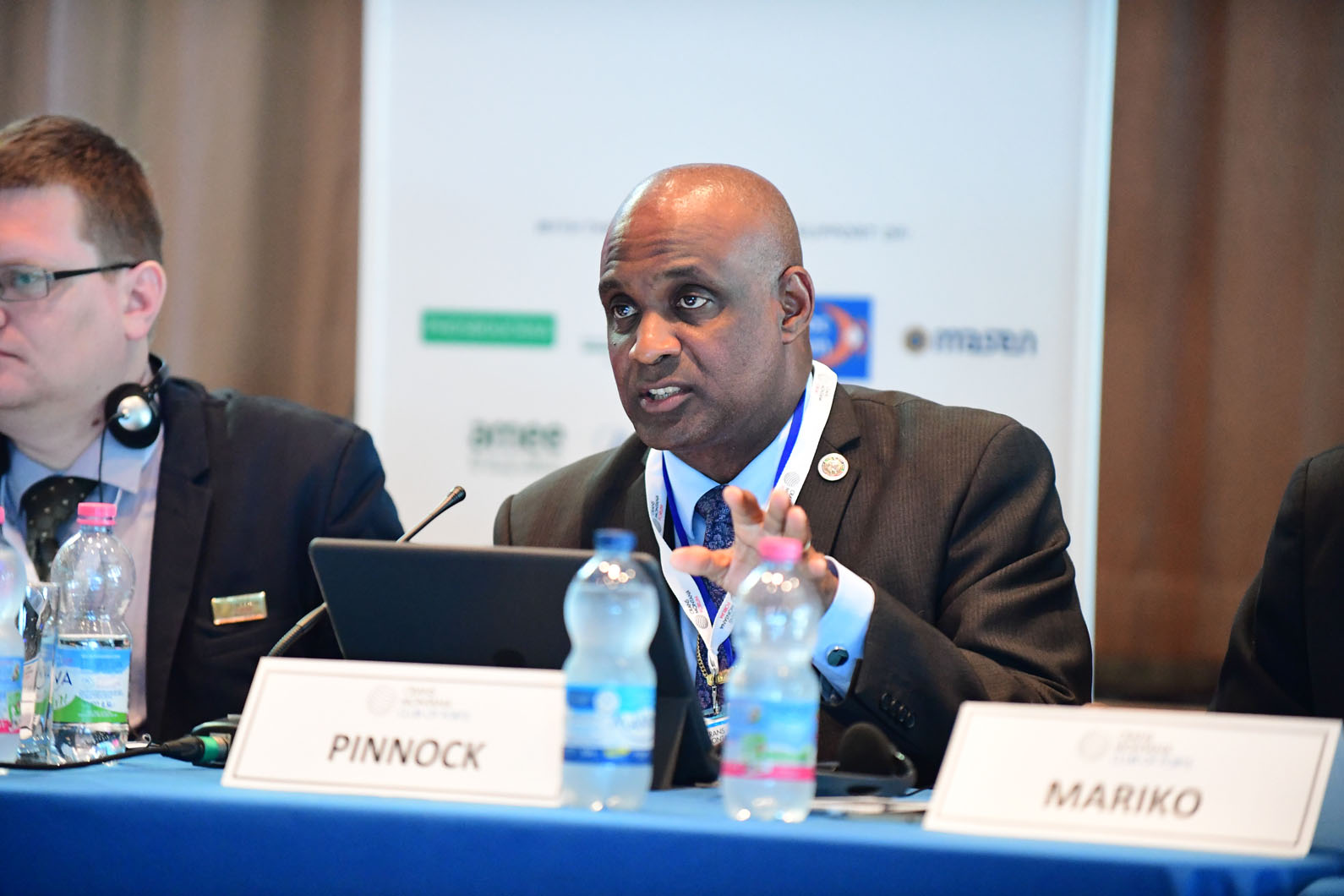
“As a child I found school quite boring and interestingly today this is really what has really driven a lot of my approach which is really out of the box because I believe especially how we’re presenting to boys is the wrong way,” said Fritz Pinnock, CMU President.

Professor Pinnock was a guest on CVM TV’s current affairs programme One on One with Joel Crosskill last weekend.

“One thing my father always told me is that an excuse is not a strategy and I still use that today because many times we are afraid to challenge new things because the path of least resistance seems like the path to go, but it’s not,” said Professor Pinnock.

“I had the privilege of being on a flight with the President of Yale University and I said to him I have an advantage over you – by not having all the resources you have to be resourceful. When you are put in a space whatever you have you can use it. There’s so much in you. It’s not what is in your hands it’s what is inside of you. The real creativity – the passion the drive is inside of you,” said Professor Pinnock.

Professor Pinnock joined the Caribbean Maritime Institute in 2006 and has been there through its transition to University status last year September. Under his leadership, the University has undergone rapped expansion in areas of logistics, engineering and maritime studies. Areas that are considered pivotal to Jamaica’s economic development –as there are growing opportunities for employment within these sectors.

However, Pinnock challenged young people to rethink their academic paths and embrace the changes in the education industry in order to capitalize on the opportunities that exist in the un-saturated areas. “Our youths must rethink their academic pursuits and must embrace whatever change is taking place in the education system,” he said. For Pinnock, the education sector is one of the least developed sectors within the last century. “If you should compare a Tesla motor vehicle built in the 1900’s to the 2018 model; you would notice a drastic change in its look and design,” Pinnock said. “However, a classroom today looks just the same it did 100 years ago”

For the full clip of this interview, click the link below:

https://www.youtube.com/watch?v=XecnOyuA3Vk


KEEP THE STATE OF EMERGENCY AND EXPAND IT

By | Uncategorized

9/11 represents the deadliest and worst terrorist act in the history of the United States of America. The attack occurred on September 11, 2001 and resulted in the destruction of the North and South Towers of the World Trade Centre. The coordinated attack resulted in a death toll of two thousand nine hundred and sixty-six (2966) and injured over six thousand (6000) persons.

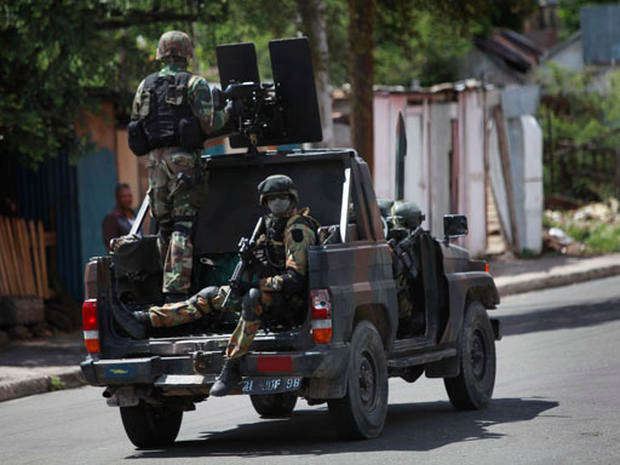
Jamaica has never encountered a terrorist attack of this nature, however, statistics reveal that Jamaica averages over one thousand two hundred (1200) murders per annum in the last fifteen (15) years. In 2017, the murder rate reached the figure of one thousand six hundred and sixteen (1616) which represents a twenty percent (20%) increase in murders over 2016, this according to the Jamaica Constabulary Force. The most murderous parishes of Jamaica were identified as St. James, followed by Clarendon and St. Andrew. By comparison, criminals killed close to half the 9/11 terrorist casualty in Jamaica each year.

Professor Anthony Clayton, in his pre-amble to the National Security Strategy for Jamaica 2013, notes that on a per capita basis, Jamaican criminals inflict the equivalent of one 9/11 attack on our citizens every week and this has been ongoing for decades. The 9/11 attack on the USA happened on one day, however, Jamaica’s murderous trend is perpetual.

Since 911, which was 17 years ago, the USA has been under a state of emergency which has been renewed by three presidents; President George W. Bush, President Barrack Obama and President Donald Trump. In response to the 9/11 terrorist attack, the United States Government has waged war on terrorism abroad, detained hundreds of enemy combatants in Guantanamo Bay and made arrests of seven hundred and sixty-two (762) persons of interest on September 12, 2001. Additionally, the Government has passed the Patriot Act and created the Department of Homeland Security by law in 2002: which represents the largest restructuring of US Government in recent history. They have implemented contingency planning for the evacuation of leaders and the continuation of Government, reviewed the internal structure of the Central Intelligence Agency (CIA) and radically improved aviation security, more specifically, the Civilian Aircraft Grounding policy.

In contrast, Jamaica has done little to combat gangs and organized crime. To counter the rise in the country’s murder rate, a limited State of Emergency was implemented by the government which affected only two police divisions. One objective of the limited State of Emergency is to effect sustainable strategies to fight gangs and establish security and stability. Strategies to be considered include building community resilience, building out security force capacity in numbers and capabilities, upgrading the public security infrastructure such as roads, close circuit television systems and artificial intelligence platforms, expanding and modernizing the justice system to deal swiftly with criminal trials. It also includes revising outdated laws to give the Security Forces authority to better investigate, arrest and bring violent criminals to justice and giving citizens in crime plagued communities a sense that the Government is committed to policies and strategies which assures their long-term safety and security.

Anecdotally, the current State of Emergency is highly appreciated by all well thinking Jamaicans and especially citizens in the affected communities. The Government should stand resolute against detractors that might seem to desire an early end to the State of Emergency. The State of Emergency should be imposed over the entire country for as long as is necessary to contain criminal violence, establish sustainable public security and restructure the entire criminal justice system to deal effectively with current and future threats posed by criminals.

The State of Emergency should therefore, not be viewed as a quick fix to Jamaica’s decades-old crime problem, nor should it become the subject of political opportunism. In contrast, it should be mirrored as one of the antidotes to curve the ‘monster called crime’. Based on the murder problems that have affected this country over many years, we need to ask ourselves this very important question, “State of Emergency or murders?”

Author: Owen Ellington, C.D., J.P., MSc., BSc. Hons., Commissioner of  Police (Retired)

Executive Director Centre for Security Counter Terrorism and Non- Proliferation (CSCTN) Caribbean Maritime University


September 2, 2018

CMU Undergoes Multi-Billion-Dollar Construction

By | Uncategorized

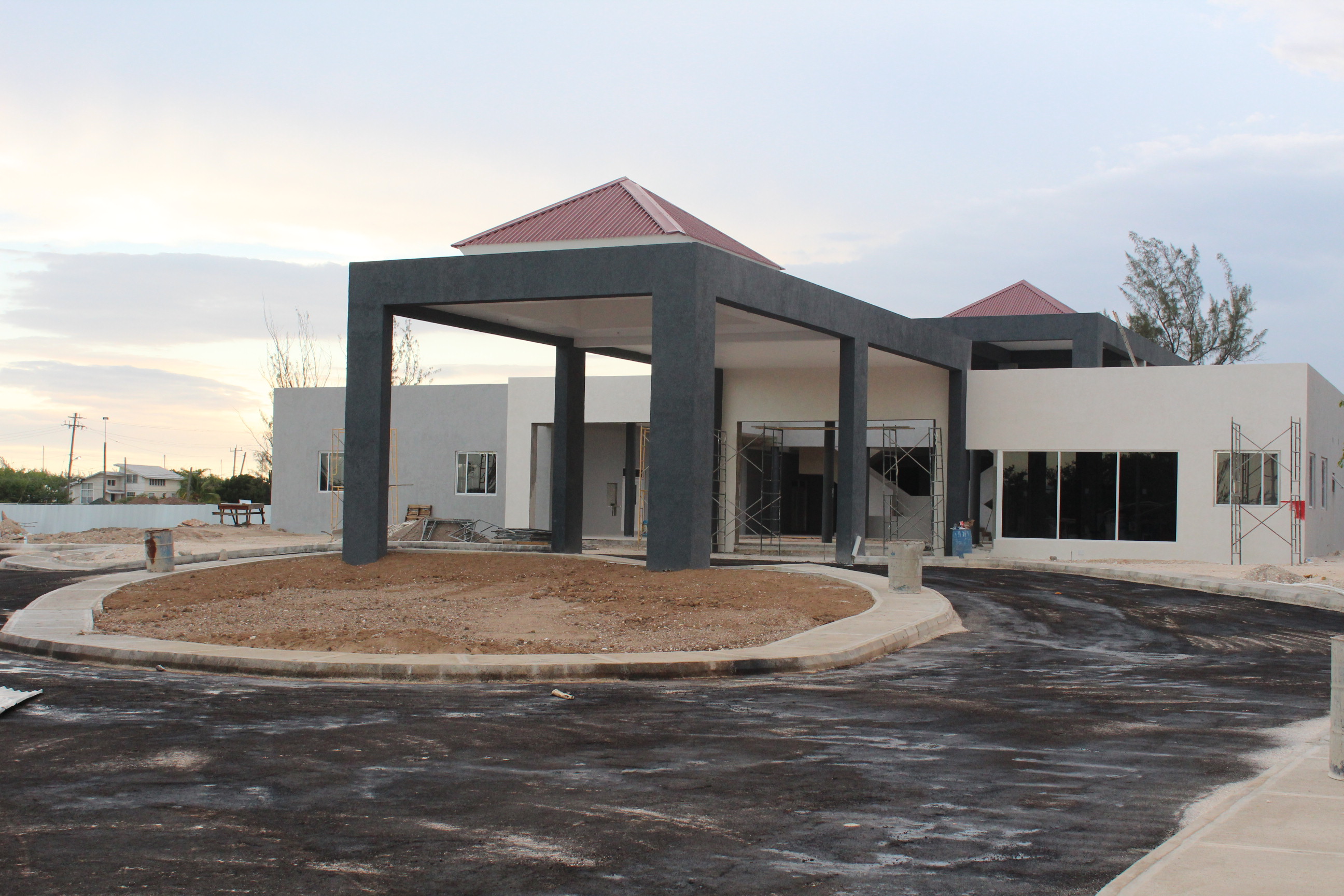
Over the next few months, the Caribbean Maritime University will undergo massive construction that will see the University – known for its maritime and engineering programmes – spending millions to upgrade and build new facilities to reflect its recent “Universty Status.”

Amidst the flurry of summer construction, includes a state-of-the-art lecture theatre, FESTO Lab, a refurbished engineering workshop, overhaul of the Jetty, two bus stops and a new dental facility.

More info on these developments coming soon…


Key Updates from the CMU Student and Staff Town Hall

Dear CMU Community,

Please see below key updates and decisions from the recently held Student and Staff Town Hall, as shared by the University Administration.

Scheduling and Assessment Adjustments

The University will resume face-to-face classes on Wednesday, November 5, 2025, at the Main Campus, while the Port Royal and Western Campuses will resume on Monday, November 10, 2025. Modality details for the affected campuses will be communicated shortly.

-Semester One Final Examinations have been rescheduled to January 3–16, 2026.

-Semester Two will commence on January 26, 2026 and end on May 3, 2026, with examinations scheduled to begin April 18, 2026.

-The current semester will include 13 weeks of teaching and 2 weeks of assessments, ensuring compliance with the University Counsel of Jamaica (UCJ) accreditation requirements.

-Mid-semester examinations will be replaced by coursework submissions or alternative assessments, promoting flexibility amid recent disruptions.

-Course work and class recordings will be made available via the Moodle platform for those with connectivity issues.

-Students who are unable to attend face-to-face classes will not be penalized, and faculty will ensure opportunities to catch up are provided.

Student Support and Financial Considerations

To assist students and staff affected by Hurricane Melissa, the University has implemented several relief measures:

-A Hurricane Relief Fund will be established, and care package distribution will take place on Sunday, November 9, 2025, beginning at 11:00 a.m. at the Montego Bay Campus.

-The Staff Welfare System will be reviewed and reactivated to provide support to affected faculty and staff.

-Tuition payments for Semester One are extended to December 31, 2025 and late payment fees for tuition will be waived to alleviate financial strain.

-All students will receive a 10% tuition discount in Semester Two.

-Students facing hardship due to job losses or other financial challenges are encouraged to reach out to the Office of Student Services or the Students’ Union for assistance.

Our thoughts and prayers remain with all members of the CMU community who have been affected during this challenging time. Together, we will remain #CMUStrong as we support one another and navigate the days ahead with faith, resilience, and unity.